Tea first, then talk: Kurdish tea and the words a guest needs
Visit a Kurdish home and a small glass of strong black tea will usually reach you before the conversation does. Tea is çay in Kurmanji and چا in Sorani, and it is how a visit begins, how it carries on and often how it ends. Here is how Kurdish tea is made and served, where it is drunk, and the few words every guest needs.
Why tea comes first
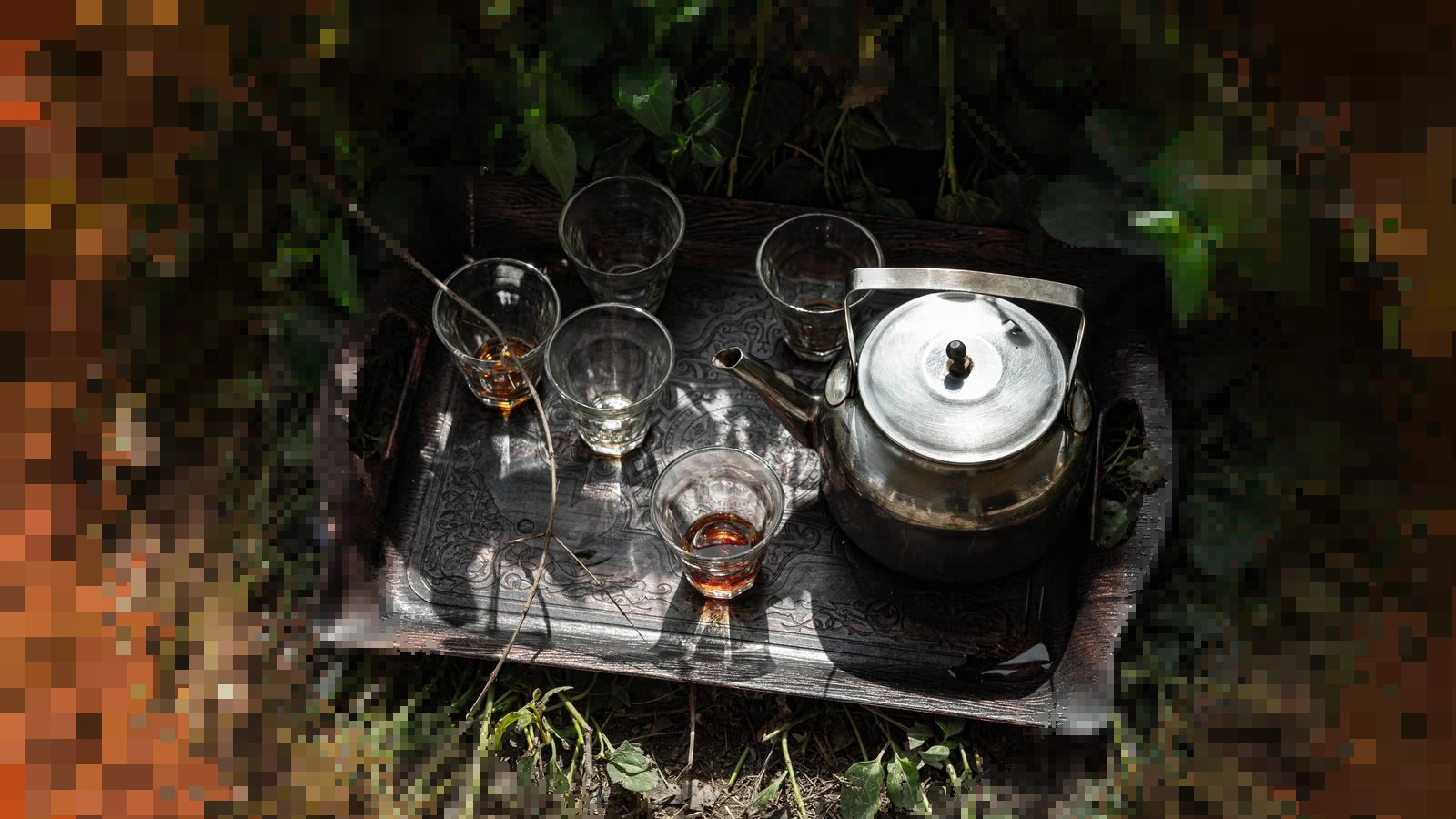
Across the Kurdish regions, tea is the everyday sign of welcome. It is poured for guests at home and for visitors in offices, usually within minutes of arrival and usually before anyone has asked what you would like. A guest is a mêvan in Kurmanji and a میوان, mîwan, in Sorani, and a guest gets tea.
It happens well beyond the living room. Walk into an office in the Kurdistan Region of Iraq on business and you will often be handed a bottle of water first, then a glass of fresh tea, brought by the tea boy, usually a young man whose whole job is the tea.
So the glass is not really a question. It is the host’s way of saying that you are welcome, and the easiest way for a guest to say thank you is to take it.
The word itself is the first gift. In Kurmanji it is çay, where ç sounds like the “ch” in “chair”. In Sorani it is چا, ça, also written چای, çay. If you learn only one Kurdish noun before your first visit, make it this one.
The glass, the tea and the sugar
The small glass
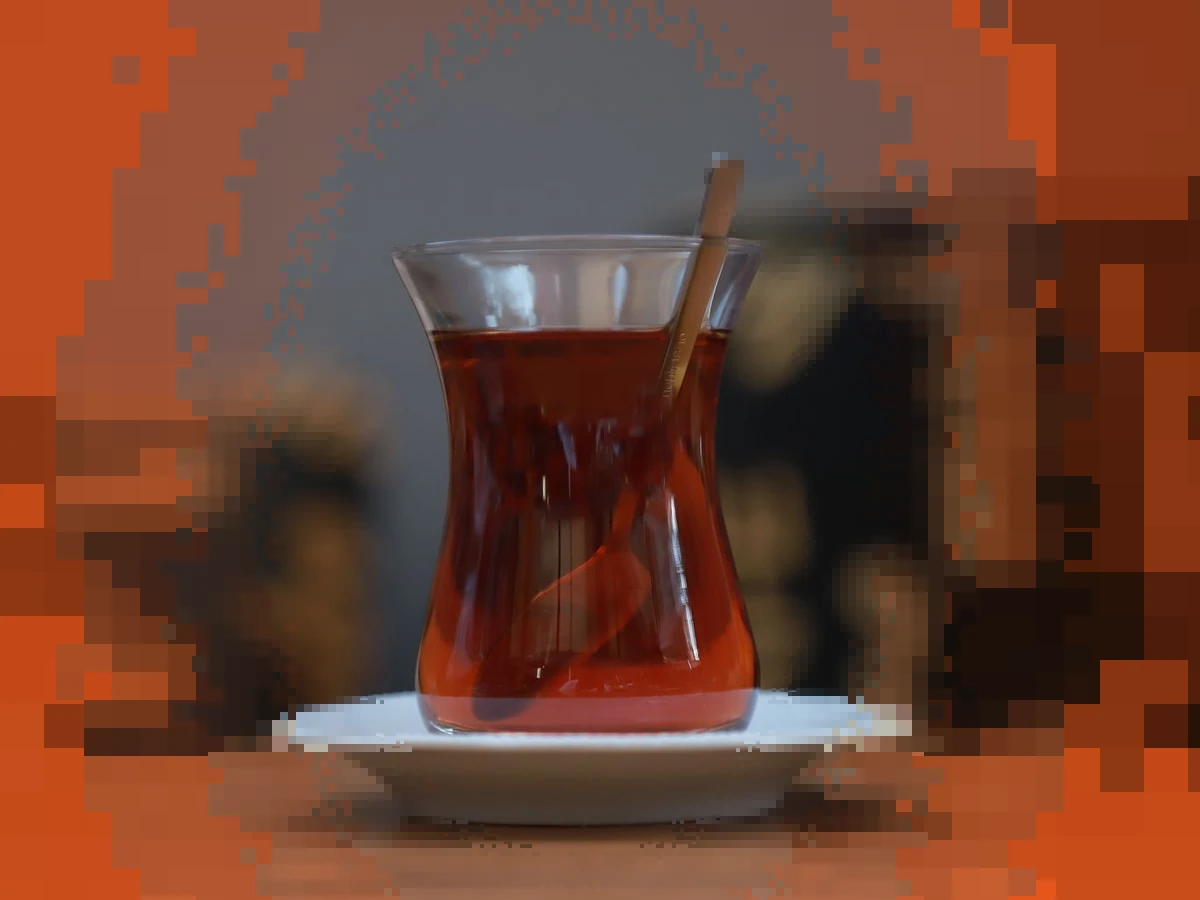
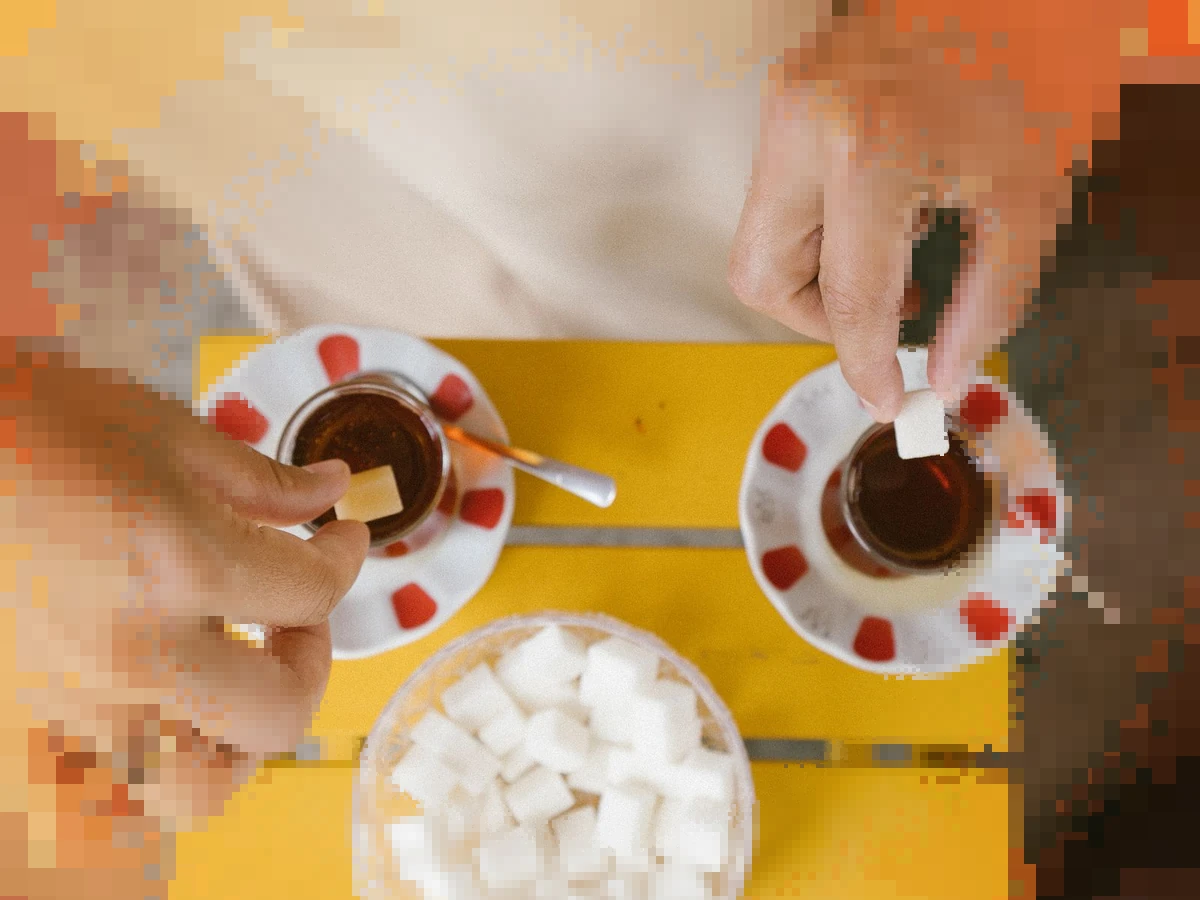
Kurdish tea comes in a small, thin glass shaped like a tulip: narrow at the waist, round below, often with a gold rim. It sits on a little saucer, usually of white porcelain, sometimes of glass to match. In Kurmanji the glass is an istikan or a piyale; in Sorani it is a پیاڵە, piyalle.
The glass is thin and the tea is hot, so it is easiest to hold it near the rim, or to wait a moment. Some people pour a little tea into the saucer so it cools faster, and drink it from there.
Strong and black
The tea is black tea, çaya reş in Kurmanji, and it is made strong. One common way: good leaves go into a pot with cold water, the pot is brought to the boil and left to boil for about a minute, and then the tea is left to brew. Some households add a little cardamom.
A second pot of hot water often sits on top of the teapot. The host pours some of the dark brew into each glass and tops it up with water, so every guest can have it exactly as strong or as light as they like. Kurdish even has a word for the big urn that keeps water hot all day: the samovar, semawer in Kurmanji and سەماوەر in Sorani.
Sugar, and plenty of it
Tea this strong asks for sugar, and many hosts stir in a couple of spoons before the glass even reaches you. Sugar is şekir in Kurmanji and شەکر in Sorani. In a teahouse you can often choose: tea that is already sweet, şîrîn, شیرین, or plain tea with sugar cubes on the side.
The teahouse, where tea has its own room
Outside the home, tea has a place of its own: the teahouse, çayxane in Kurmanji and چایخانە in Sorani. People come to talk, play dominoes and argue about politics over glass after glass, and the more glasses you order, the warmer the welcome. The owner pours from big steaming pots, and many teahouses serve hot, creamy milk as well. Teahouses have long been mostly men’s spaces, though that has slowly begun to change.
Erbil has two famous ones. The Machko teahouse is built into the southern wall of the Erbil Citadel, a UNESCO World Heritage site, and has been open since 1940; in its early years storytellers met there to tell tales and sing. Down in the Qaysari bazaar, the teahouse of Mam Khalil, Uncle Khalil, dates from 1952. Its walls are covered with photographs of the friends and guests who have sat there.
A visit, step by step
Here is how a visit tends to go, with the words for each moment: Kurmanji first, Sorani under it. And if your host says Were em çayekê vexwin, “come, let’s drink a tea”, you already know the answer is yes.
- At the doorBi xêr hatî!بەخێربێیتWelcome!Your host says it as you arrive. To more than one guest it becomes bi xêr hatin, in Sorani بەخێربێن.
- Come in, sit downFermo!فەرمووPlease, go ahead.The all purpose invitation: come in, sit here, help yourself. Kurmanji borrowed it from Sorani, and you will hear it again the moment the tea arrives.
- The tea arrivesNoşî can be!نۆشی گیانEnjoy it!Said to someone who is eating or drinking. When your host lifts a glass too, say it back.
- If you take it plainBê şekir, ji kerema xwe.بێ شەکر، تکایەWithout sugar, please.Say it early, before the spoon goes in.
- Thanking your hostSpas, mala te ava!زۆر سوپاسThank you so much!Mala te ava is a warm, slightly formal thank you for a host. Word for word it says “may your home stay standing”. The Sorani here is simply “many thanks”.
- When you have had enoughBes e, spas.بەسە، سوپاسThat is enough, thanks.Hosts like to keep glasses full. When you are done, say so kindly.
- LeavingBi xatirê te!خوا حافیزGoodbye!Said by the one who is leaving. At the next house, it all starts again.
When the thanks come back to you
Thank your host and you may hear one of these in return. In Kurmanji, ser çavan means “you’re welcome” or “at your service”; it is built from ser, on, and çav, eye, so word for word it is “on the eyes”. In Sorani you may hear شایانی نییە, shayanî niye, roughly “it is not worth mentioning”. Neither needs an answer. Smile, and drink your tea.
Tea outdoors
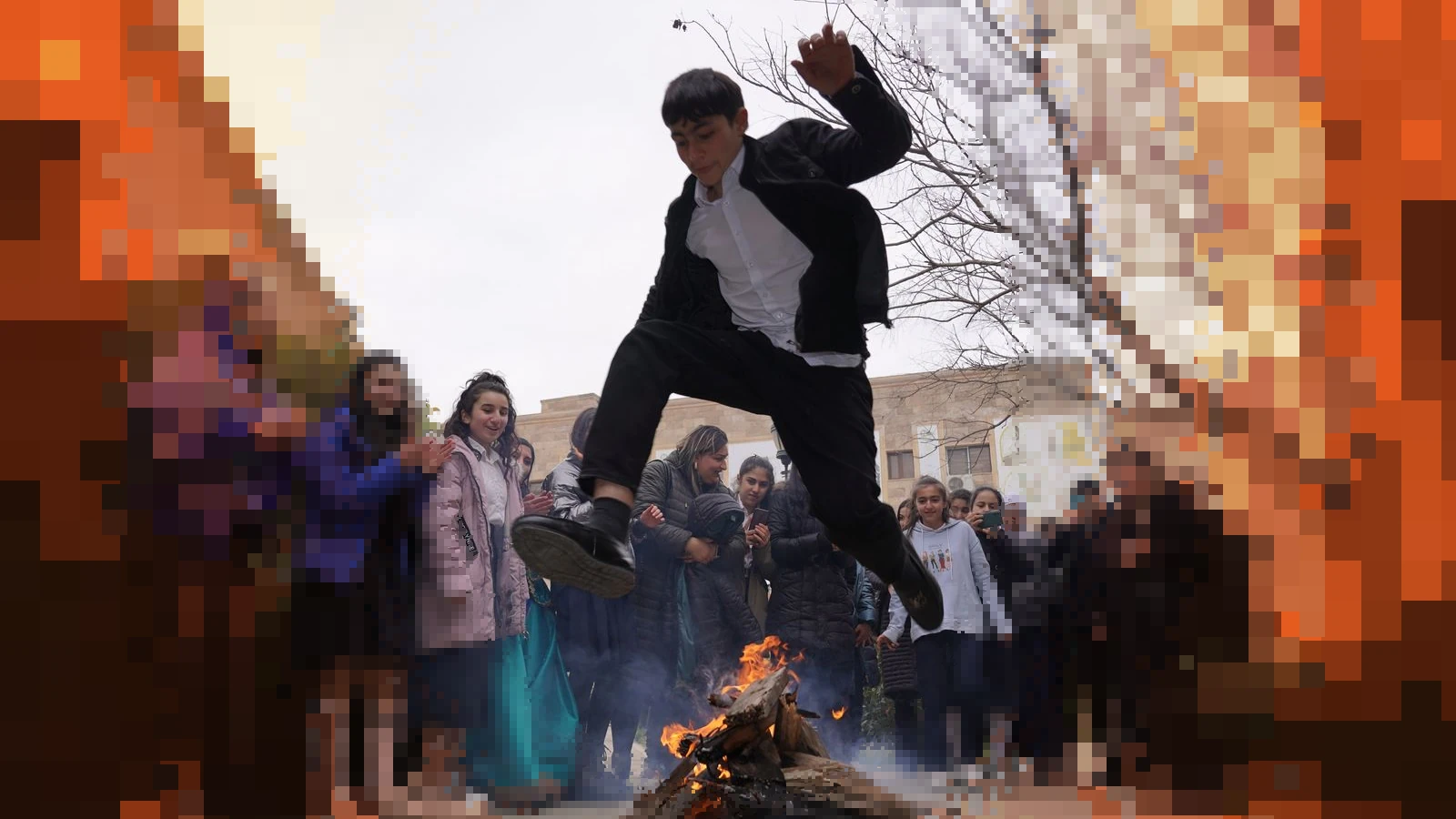
Tea does not stay indoors. On Newroz day and in the spring days after it, families pack everything they need in the morning and carry it out to a favourite spot in the hills. Around lunchtime meat goes on the fire, with bread, vegetables and fruit beside it, and after the meal comes tea in the same small glasses. A picnic like that can last all day, and the pot keeps going for as long as anyone sits.
Read Newroz and the fire that starts the year for the story behind those spring days, and One language, two scripts to start reading the Sorani on this page yourself.
Words from this article
The words from this visit, from the glass to the goodbye. Say each one out loud, then try them in the full quiz.
| Kurmanji | Sorani | English |
|---|---|---|
| çay | چا | tea |
| istikan, piyale | پیاڵە | small tea glass |
| şekir | شەکر | sugar |
| şîrîn | شیرین | sweet |
| semawer | سەماوەر | samovar |
| çayxane | چایخانە | teahouse |
| mêvan | میوان | guest |
| bi xêr hatî | بەخێربێیت | welcome |
| fermo | فەرموو | please, go ahead |
| noşî can be | نۆشی گیان | enjoy it |
| spas | سوپاس | thanks |
| bes e | بەسە | that is enough |
| ser çavan | شایانی نییە | you're welcome |
| bi xatirê te | خوا حافیز | goodbye |